Available courses

This training program explores proactive strategies to promote active learning and prevent procrastination in educational contexts. It introduces the conceptual foundations of procrastination, its types, causes, and the psychological mechanisms behind task avoidance. The module focuses on practical, evidence-based strategies to enhance self-regulation, motivation, and time management for both teachers and students. Participants will learn how to identify and address procrastination drivers, design environments that foster engagement, and use technology to monitor and reduce delays. The session combines theoretical insights with practical applications to foster sustainable behavioral change and academic productivity.
- Teacher: Veronika Rogalevits
- Teacher: Emmanuel Vercruysse

The program will provide a brief overview of the basics for an effective and quality approach to pedagogy and didactics for all students.
The training program will focus on the Universal Design for Learning framework and principles, which aim to optimize teaching and learning for all students.
UNIPG and UOI will work jointly to train the staff involved in finding the best approaches to reach out and engage all students. Participants will also be involved in a preliminary survey to discuss and share insights with each other fostering a collaborative learning environment.
- Teacher: Annalisa Morganti
- Teacher: Veronika Rogalevits
- Teacher: Alessia Signorelli
- Teacher: Emmanuel Vercruysse

About stress, wellbeing and micro-habits
In this module, you will learn how to empower your own wellbeing through knowledge of stress and relaxation: recognizing stress, building resilience, and finding tools that support you in feeling better in our demanding environment.
We will balance theory about our stress system with practical exercises to actually lower those stress hormones. Once you know how stress works for you and how it impacts your well-being (on 4 levels: physically, mentally, emotionally and socially) you are able to change it through micro habits.
This model is for you, if you like to take a moment to pause, reflect, and explore how you can support your well-being by connecting body and mind, theory and practice through a holistic lens — and want to pass on this knowledge to colleagues and students in your university.
This first session will concentrate on how you as a teacher (and human) can improve your mental health (and overall health) so you be creative on how to micro integrate this in your course later.
- Teacher: Claudia Mazzeschi
- Teacher: Veronika Rogalevits
- Teacher: Emmanuel Vercruysse

Introduction: context of mixed nationalities in university (20’) + ice breaker exercises (20’)
Theory (30min)
-
Understanding concepts: interculturality and intercultural competences (verbal, non-verbal,..)
-
Model 6 dimensions Hofstede et Minkov (and/or) Bennet
Practical (50min)
-
Sharing intercultural experiences
-
Casestudies from the classroom (analyse, discussion in groups and pedagogical view)
- Teacher: Cécilia Brassier
- Teacher: Emmanuel Vercruysse
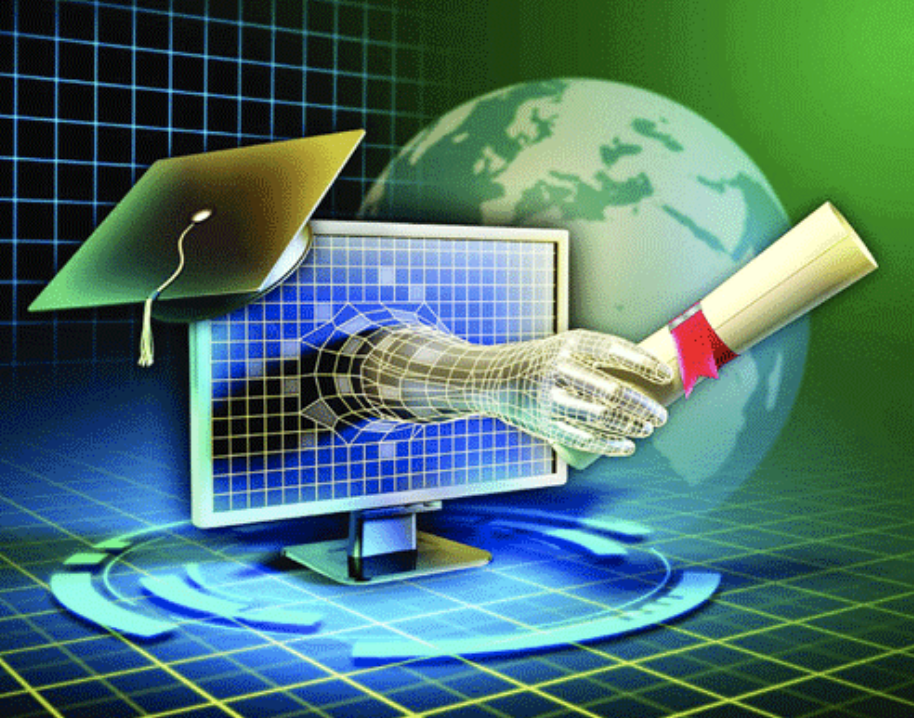
In this workshop, we focus on some key features and technologies of teaching and learning in a digital era. We focus on educators, instructional designers, support staff across all disciplines (applied, general, and theoretical) and first briefly explain theoretical some key concepts and technologies. This module explores theoretical and practical aspects of teaching and learning supported by digital technologies. Participants will engage with concepts such as digital affordances, didactics, pedagogical reasoning, and TPACK, and apply these ideas through hands-on exploration of innovative tools and environments.
- Teacher: Anastasios Mikropoulos
- Teacher: Emmanuel Vercruysse
This professional development short course/webinar provides the conceptual and strategic foundation for piloting a longer training course, which should equip educators and academic professionals within the ARTEMIS Alliance with the skills to design and implement a Collaborative Online International Learning (COIL) module using a Challenge-Based Learning (CBL) framework. In the short course, participants will explore how COIL can enhance the international dimension of their teaching and strengthen academic collaboration within the ARTEMIS European University Alliance. The session offers an overview of how challenge-based approaches foster experiential and intercultural learning while addressing alliance priorities such as sustainability, digital transformation, and innovation. Through short presentations and interactive discussions, participants will identify opportunities within their own teaching areas, outline initial challenge themes, and learn practical approaches to finding partners across the ARTEMIS network.
- Teacher: Veronika Rogalevits
- Teacher: Emmanuel Vercruysse
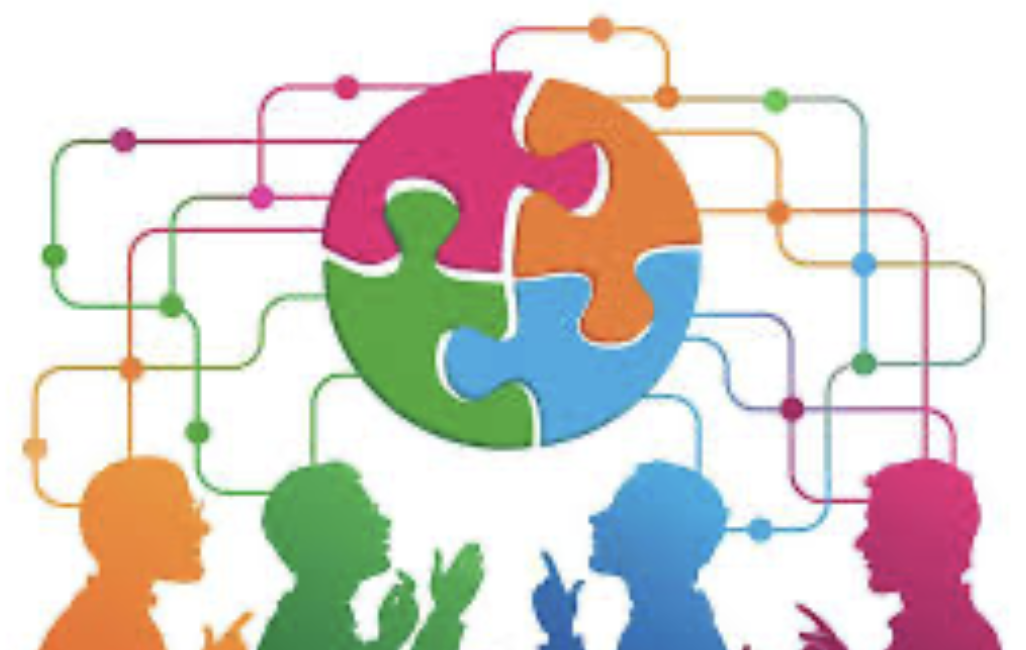
Do your students have negative experiences with group work? Do you find it challenging to facilitate group processes? Why engage in group learning? And is it possible to increase the likelihood of positive group experiences and enhanced learning through cooperative learning?
In this module, you will receive an introduction to the fundamental principles of group learning and explore a practical approach to facilitate research-based group learning. Throughout the module, you will have the opportunity to experiment with and evaluate various forms of group learning and group learning techniques in your own teaching. This includes the use of AI in group learning, looking into the use and misuse of AI in group work. Finally, you will be able to discuss these experiences with other instructors.
The module is relevant for teaching that takes place both digitally and on campus and is directed at instructors seeking a conscious approach to group learning in their teaching.
- Teacher: David Hebert
- Teacher: Anja Mogelvang
- Teacher: Veronika Rogalevits
- Teacher: Emmanuel Vercruysse

The program consists of two parts. The first part introduces the principles of interdisciplinary learning related to general competencies, and the second part focuses on practical examples of how to implement entrepreneurial competencies in higher education engineering curricula. The aim is to clarify how the principles of interdisciplinary learning can be applied and how the entrepreneurial competencies included can be implemented and further developed in higher education.
- Teacher: Kati Kukk
- Teacher: Veronika Rogalevits
- Teacher: Emmanuel Vercruysse

This course explores the transversal skills essential for 21st-century citizens to thrive in both professional and personal contexts. It emphasizes the role of lifelong learning in adapting to constant change and highlights seven core competencies: self-knowledge and management, innovative entrepreneurship, social intelligence, ethical and civic engagement, reasoning for complexity, communication, and digital transformation. Participants learn why these skills are critical for continuous development, sustainable growth, and social inclusion. The course provides examples of suitable learning activities and assessment strategies for each competence, encouraging educators to integrate them into teaching and curriculum design. By fostering critical thinking, collaboration, ethical responsibility, and digital innovation, the program prepares teachers to guide learners toward active citizenship, problem-solving, and adaptability in a globalized, rapidly evolving world.
- Teacher: Veronika Rogalevits
- Teacher: Emmanuel Vercruysse

The online workshop "Effectively Managing To-Dos and Priorities / Project Management with AI" teaches practical methods for efficiently structuring tasks, setting priorities, and leveraging AI tools for enhanced project management. Participants begin by reflecting on their individual strengths and weaknesses in task management. Building on this, they develop various productivity principles that help organize and prioritize tasks.
Using modern tools, participants will learn how to organize and consistently complete their to-dos. Practical applications ensure that the methods are immediately usable. A toolbox with further links supports implementation after the workshop.
In the extended part of the workshop, participants will explore AI tools for project management. They will learn how to effectively use AI for time scheduling, task tracking, meeting management, meeting notes (transcripting), milestone planning, and task assignment. Special attention will be given to prompting strategies using personal rules to optimize AI assistance.
- Teacher: Jana Raudvere
- Teacher: Veronika Rogalevits
- Teacher: Emmanuel Vercruysse
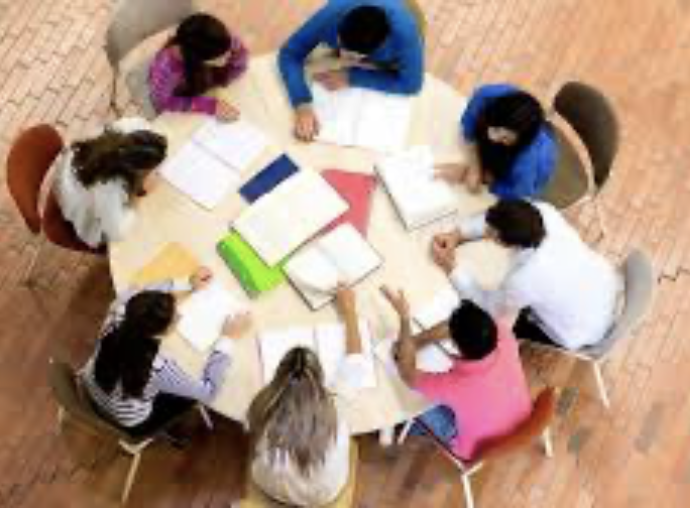
Do your students have negative experiences with group work? Do you find it challenging to facilitate group processes? Why engage in group learning? And is it possible to increase the likelihood of positive group experiences and enhanced learning through cooperative learning?
In this module, you will receive an introduction to the fundamental principles of group learning and explore a practical approach to facilitate research-based group learning. Throughout the module, you will have the opportunity to experiment with and evaluate various forms of group learning and group learning techniques in your own teaching. This includes the use of AI in group learning, looking into the use and misuse of AI in group work. Finally, you will be able to discuss these experiences with other instructors.
The module is relevant for teaching that takes place both digitally and on campus and is directed at instructors seeking a conscious approach to group learning in their teaching.
- Teacher: Emmanuel Vercruysse

This online learning trajectory focusses on diversity and inclusion, but we conducted this workshop to put the emphasis on diversity as a broad starting point, in another workshop we will then delve into the topic of inclusion. We will explore if this workshop can be offered as well at the Diversity Day Congress.
The workshop aims at trainer the trainers from each partner university of ARTEMIS. Those participants then become ambassadors to the staff within their own University towards the topic and can deliver a workshop as well.
The level is set on beginner and thus no prior knowledge about diversity and inclusion is needed (just an open mindset to delve into this workshop).
- Teacher: Annalisa Morganti
- Teacher: Miranda Poeze
- Teacher: Veronika Rogalevits
- Teacher: Alessia Signorelli
- Teacher: Emmanuel Vercruysse
The module explores the synergy between personal growth and sustainable practices to foster improved work performance. Grounded in the Inner Development Goals (IDGs), participants will cultivate inner skills such as self-awareness, empathy, and resilience. Simultaneously, the module introduces green skills (GreenComp framework), also digital skills highlighting key sustainability competences like systems thinking and collaborative problem-solving. Through interactive sessions, case studies, and practical exercises, learners will gain insights into addressing societal challenges, promoting sustainability, and enhancing their professional effectiveness by aligning personal development with environmental and organizational goals. The module can be addressed to academic professionals seeking to integrate sustainability into their curricula and personal development aiming to apply these competencies within their respective fields.
- Teacher: Veronika Rogalevits
- Teacher: Emmanuel Vercruysse
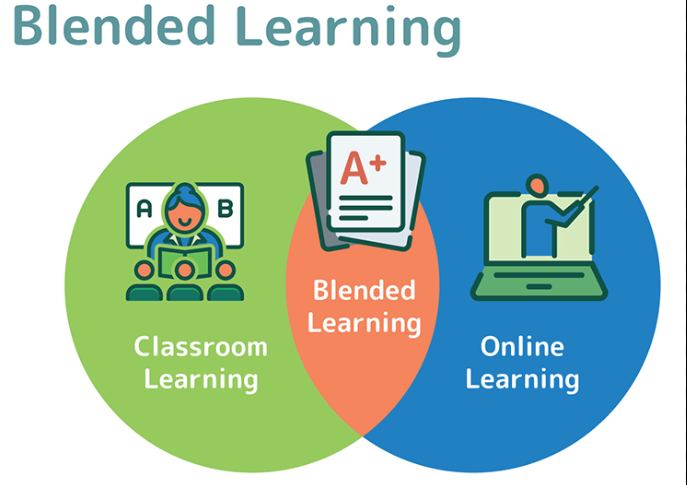
The training program aims to improve digital and didactical skills of academic staff while designing courses for blended learning. The use of different digital tools and LMS possibilities to support students and make the learning process more effective will be introduced and practiced.
- Teacher: Veronika Rogalevits
- Teacher: Emmanuel Vercruysse
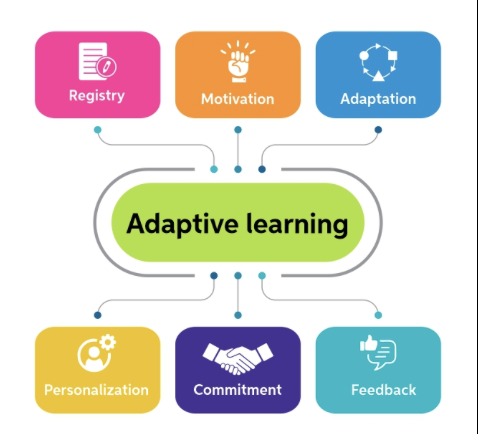
In this workshop, we focus on the practical use of adaptive learning technologies. We focus on educators, instructional designers, support staff across all disciplines (applied, general, and theoretical) and use Moodle as the hands-on platform. After a brief theoretical explanation of some key concepts and technologies, we want to let the learners design a simple adaptive learning path themselves. For that, we will focus on the possibilities Moodle has to offer.
- Teacher: Veronika Rogalevits
- Teacher: Emmanuel Vercruysse
The objective of this course is to provide participants with knowledge and skills for using generative artificial intelligence (AI) to support the educational process, with a focus on designing learning activities and assessing student work. The focus is on practical examples, hands-on tasks, and guided reflection on how to integrate AI into teaching and assessment.
ChatGPT, NotebookLM will be introduced as one of the tools for organizing sources and supporting AI-assisted thinking and writing. The workshop is highly practical and includes extensive hands-on work in AI environments.
Participants are kindly asked to register for and log into these tools before the training begins, to ensure smooth participation in hands-on tasks.
Bring a real-life course or assessment example you are working on.
- Teacher: Jana Raudvere
- Teacher: Veronika Rogalevits
- Teacher: Andrei Rudz
- Teacher: Emmanuel Vercruysse

The purpose of this micro-credential is to strengthen ecological, social, and governance (ESG) competencies across the ARTEMIS ecosystem. The micro-credential course contributes to the “sustainability and environmental responsibility” and “inclusion and equality” dimensions of ARTEMIS´s future-proof education. Beyond individual capacity building, this micro-credential supports the ARTEMIS´s objective of achieving ESG nativeness among startups participating in our incubation program, as their representatives are strongly encouraged to take this course. This ensures that ESG principles are not only taught but also embedded in the institutional culture of ARTEMIS. The course is designed as a stand-alone micro-credential that can also be integrated into training and incubation.
- Teacher: Katrina Jurjestaust
- Teacher: Tatjana Karaulova
- Teacher: Antti Kauppinen
- Teacher: Aleksandra Kirsbaum
- Teacher: Eduard Sevtsenko
- Teacher: Anna Truver

This online course provides a practice-oriented introduction to entrepreneurship and innovation, guiding participants from early-stage ideation to the development of an elevator pitch. Participants explore entrepreneurial mindsets, develop and test business ideas, build business models, and prepare investor-oriented elevator pitches. One element of the course is the integration of a self-paced ESG micro-credential (specifically, its case study component), which participants are required to complete in order to pass the course. This component supports the development of ESG-friendly competencies and the application of ESG principles within entrepreneurial projects.
- Teacher: Evy Declercq
- Teacher: Katrina Jurjestaust
- Teacher: Tatjana Karaulova
- Teacher: Antti Kauppinen
- Teacher: Helen Kiis
- Teacher: Aleksandra Kirsbaum
- Teacher: Eduard Sevtsenko
- Teacher: Anna Truver